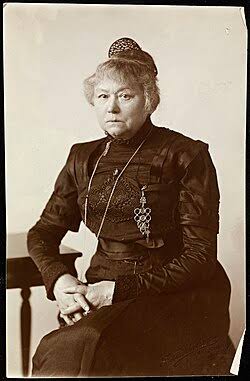
 Harriet Backer (January 21, 1845 – March 25, 1932) was a highly influential Norwegian painter and a pioneer for women in the arts during the late 19th and early 20th
centuries.
Harriet Backer (January 21, 1845 – March 25, 1932) was a highly influential Norwegian painter and a pioneer for women in the arts during the late 19th and early 20th
centuries.Partner Kitty Lange Kielland
Queer Places:
Académie Julian, Passage des Panoramas, 75002 Paris
Académie Colarossi, 10 Rue de la Grande Chaumière, 75006 Paris
19 Rue de l'Université, 75007 Paris, France
Vår Frelsers gravlund, Akersbakken 32, 0172 Oslo, Norway
Harriet Backer (January 21, 1845 – March 25, 1932) was a highly influential Norwegian painter and a pioneer for women in the arts during the late 19th and early 20th
centuries.
Born in Holmestrand, Norway, into an affluent family, Backer demonstrated a lifelong dedication to her craft. Her artistic training was extensive, spanning prestigious schools in Berlin, Munich, and Paris. She is best known for her mastery of light and color in detailed interior scenes, often incorporating elements of realism and early Impressionism.
Backer spent 15 years abroad, establishing herself on the cosmopolitan art scene before returning to Norway in 1888. Upon her return, she settled in Sandvika and operated a successful art school from 1889 to 1912, mentoring a new generation of Norwegian artists. Over her career, she produced approximately 180 works and received significant recognition, including the King's Medal of Merit and a knighthood in the Order of St. Olav.
Harriet Backer and the landscape painter Kitty Lange Kielland were close lifelong friends and frequent collaborators. The two met in Munich and later shared a studio and living space in Paris for nearly a decade (1880–1888). Throughout their lives, they remained unmarried, forming part of a wider "homosocial community" of women artists who defied the era’s rigid gender norms by prioritizing their professional careers over traditional family life.
The question of whether their relationship was romantic or platonic remains a subject of historical discussion rather than confirmed fact.
Backer referred to Kielland as her "husfælle og bedste ven" (housemate and best friend), and they lived together for significant portions of their adult lives. Observers of their time, such as writer Arne Garborg, famously described them as "bachelors," a term that carried specific social connotations in the late 19th century.
Modern art historians have noted that while there is no surviving personal correspondence to verify a romantic connection, the couple’s arrangement allowed them to challenge heteronormative societal expectations. Some scholars argue that art history has historically "sidestepped" or failed to engage with the possibility of queerness among women artists like Backer and Kielland, who lived in supportive, independent female-centered communities.
Ultimately, while they were clearly central to each other's lives and personal success, the private nature of their relationship remains undocumented, leading many contemporary scholars to view them through the lens of both professional partnership and potential queer identity.
References:
Support this project
This website is a passion project researched, developed, and funded entirely by me. If you find the content valuable and would like to help support the ongoing research and hosting costs, any contribution is deeply appreciated.
Thank you for keeping this independent resource alive!
My books on Amazon: Elisa Rolle's books